J&K assembly passes resolution reaffirming Special Status within ambit of national unity
 admin
0 comments
admin
0 comments

jj correspondent
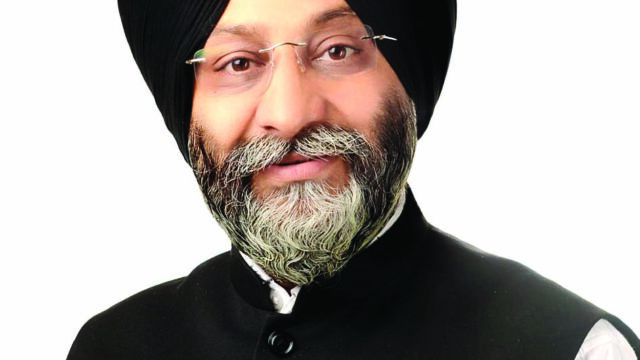
Jammu, Nov 10: In a landmark move that has captured widespread attention, Deputy Chief Minister of Jammu & Kashmir, Mr. Surinder Kumar Choudhary, has introduced and successfully passed a resolution in the ongoing legislative assembly session, reaffirming the significance of the special status and constitutional guarantees that once safeguarded the identity, culture, and rights of the people of Jammu & Kashmir. This bold resolution expresses deep concern over the unilateral removal of these provisions, which had long been viewed as a cornerstone of the region’s unique identity within India.
The resolution, passed with overwhelming support, not only reflects the region’s historical demand for justice but also sends a clear message to the Government of India. It calls for the restoration of Jammu & Kashmir’s special status and constitutional safeguards, emphasizing the importance of initiating dialogue with the elected representatives of the region’s people to address their legitimate concerns.
In the second paragraph, the resolution urges the Government of India to take immediate steps towards engaging in a dialogue with the ‘elected representatives’ of Jammu & Kashmir. Which is imperative in democracy. It stresses the necessity of working towards a constitutional mechanism that would facilitate the restoration of special status and constitutional guarantees, thus protecting the rights of the people while maintaining the region’s unique socio-cultural fabric.
This move is an important statement in the ongoing debate about the future of Jammu & Kashmir. The resolution underscores the belief that the restoration of these provisions is not only critical for the region’s political and cultural stability but also vital for ensuring that the aspirations of the people are fully recognized and addressed. The call for dialogue highlights the region’s desire for a peaceful resolution through mutual understanding and consensus, and it opens the door for constructive conversations about the future of Jammu & Kashmir within the Indian Union.
In the final and third paragraph, the resolution emphasizes that any process aimed at restoring special status must be conducted with full regard for ‘national unity’ and ‘nationalism’. The resolution makes it explicitly clear that, while there is a demand for the restoration of special status, there must be no compromise on India’s sovereignty and the unity of the nation. The message is unambiguous: ‘Jammu & Kashmir’s identity and rights must be safeguarded, but it should never come at the expense of India’s integrity’.
This crucial balance between protecting the region’s unique identity and ensuring national cohesion is at the heart of the resolution. The assembly has made it clear that the people of Jammu & Kashmir seek both respect for their cultural and political heritage and a steadfast commitment to the nation’s unity.
It is important to note that the resolution does not specifically refer to ‘Article 370’ or ‘Article 35A’, which were the constitutional provisions that once granted Jammu & Kashmir its special status. Instead, the resolution refers more broadly to the restoration of “special status,” while acknowledging the constitutional provisions under ‘Articles 371 to 371J’, which pertain to various regions in India and provide for special provisions that safeguard the rights of specific states.
Interestingly, to draw attention to the fact that ‘eleven other states’ in India—namely ‘Assam, Nagaland, Himachal Pradesh, Manipur, Meghalaya, Sikkim, Tripura, Arunachal Pradesh, Mizoram, Uttarakhand, and Telangana’—have been granted ‘special category state status’ under various constitutional provisions. This serves as a reminder that Jammu & Kashmir is not alone in seeking special status, and that other states in the union have also been recognized for their unique socio-cultural needs.
Telangana, India’s youngest state, was granted special category status after its formation, and this precedent provides further context to the current resolution in Jammu & Kashmir, suggesting that such provisions can and should be considered for the region in the future.
While the resolution represents a powerful demand for the restoration of special status, it is important to note that it is not a bill that can immediately be converted into law. It remains a ‘political demand’, and the journey from resolution to actionable policy will depend on the political climate and further negotiations between Jammu & Kashmir’s leadership and the Government of India.
As Jammu & Kashmir navigates the complex political landscape, the ‘Jammu & Kashmir Assembly’s resolution’ signals a significant step forward in the region’s ongoing efforts to reclaim its place within the Indian Union, while preserving its cultural heritage and fulfilling the aspirations of its people. The call for dialogue, the commitment to national unity, and the plea for the restoration of constitutional guarantees are pivotal elements in this journey.
The people of Jammu & Kashmir, through their elected representatives, have once again made their voices heard. It is now up to the government to respond thoughtfully, with a view toward fostering peace, reconciliation, and lasting stability in the region.